


The Role of Creativity in Modern Building Design
- dilllibabupocketpa
- Jun 6, 2025
- 3 min read
Updated: Jun 13, 2025
In today's fast-paced and ever-evolving world, the importance of creativity in modern building design cannot be overstated. The landscape of architecture is changing, and with it, the ways in which we think about and create our environments. This change is brought about by various influences including technology, social dynamics, and the growing need for sustainability.
The role of creativity is paramount when considering how buildings are designed, both structurally and aesthetically. Excellent building design not only enhances the functionality of a space but also contributes to the overall well-being of its inhabitants and the surrounding environment.
Understanding Modern Building Design
Modern building design incorporates innovative techniques and materials to create structures that are both functional and aesthetically pleasing. The primary goal is to meet the needs of users while promoting sustainability and efficiency. This approach demands a high level of creativity from architects and designers.
Innovative building designs often integrate current technology and respond to the distinct characteristics of their environment. For instance, buildings are now being constructed with smart systems that improve energy efficiency and user comfort. This not only makes the building more appealing but also reduces its environmental footprint.

The Influence of Technology
Technology plays a significant role in fostering creativity in modern building design. Advancements in software, materials, and construction techniques allow architects to explore new forms and designs that were previously unimaginable.
For instance, Building Information Modeling (BIM) enables architects to visualize the entire project before construction begins. This fosters collaboration and innovation in design. Moreover, 3D printing technology is now being used to create building components that were not feasible with traditional methods.
The rise of virtual and augmented reality also gives architects the tools to present their ideas more compellingly. Clients can now experience their future spaces before construction starts, leading to a more refined and satisfying design process.

The Importance of Sustainability
Sustainability is one of the most critical aspects of modern building design, and creativity plays a central role in its integration. Architects are now challenged to design buildings that not only minimize environmental impact but also contribute positively to their surroundings.
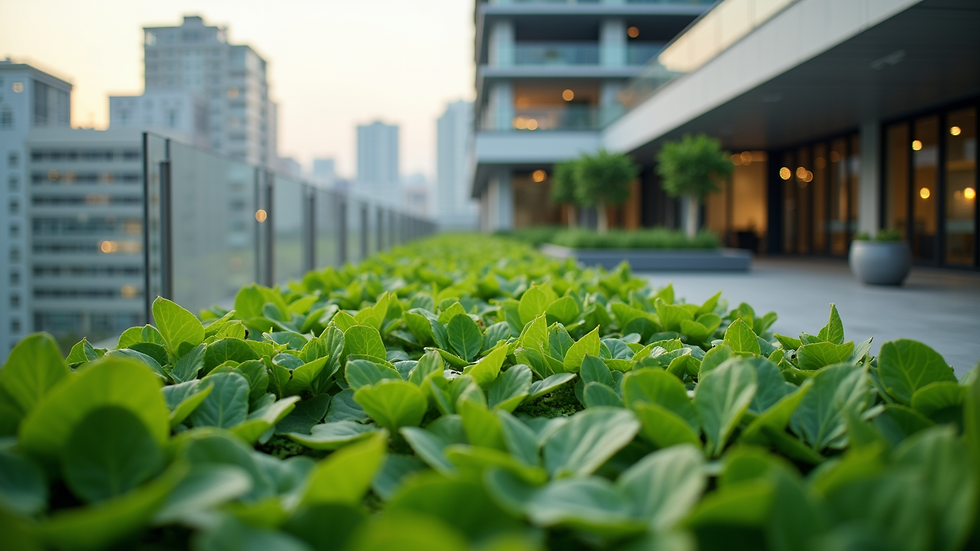
Creative strategies include utilizing renewable materials, incorporating green roofs, and maximizing natural light. For example, a building designed with large windows and open spaces can reduce the need for artificial lighting, thereby saving energy.
Statistics show that buildings account for about 40% of global energy consumption, making it imperative to adopt sustainable practices. By creatively addressing this challenge, architects can help reduce the overall carbon footprint of cities while enhancing residents' quality of life.
Responding to Social Needs
Creativity in modern building design goes beyond aesthetics and sustainability; it also encompasses responding to the social needs of communities. Architects must think inclusively about how their designs cater to diverse populations and different activities.
For example, community centers designed with flexible spaces allow for various uses, from meetings to recreational activities. This adaptability promotes social interaction and community cohesion.
Buildings also need to consider accessibility for all users. Innovative designs that prioritize universal access can transform a space, making it welcoming for everyone. This approach highlights how creativity is not just about what looks good but also about what works well for the community.
The Future of Creativity in Building Design
Looking ahead, the role of creativity in building design will only continue to grow. As urbanization accelerates, architects and designers must find new ways to address the pressing challenges of population density, climate change, and social inequality.
The potential for innovative building designs to make a difference is significant. By prioritizing creativity, architects can develop solutions that are not only beautiful but also feasible and sustainable.
In the coming years, we can expect to see a greater emphasis on integration—where architecture blends seamlessly with its environment, technology, and social framework. The key lies in thinking outside the box and embracing new ideas and methodologies.

Shaping Spaces with Imagination
Creativity in modern building design holds immense potential. It encourages architects and designers to push boundaries, challenge norms, and innovate continually. Whether through adopting new technologies, prioritizing sustainability, or addressing community needs, creativity will significantly shape the spaces we inhabit.
As we move forward, engaging with creative practices will become more crucial than ever. The vibrant interplay of art and science in architecture can inspire future generations to create environments that are not only functional but also beautiful and sustainable.
The future of architecture lies in the hands of those willing to embrace creativity and think beyond traditional design paradigms. Innovative building designs will be at the forefront of this movement, helping to make our cities vibrant places in which to live, work, and connect.


Comments